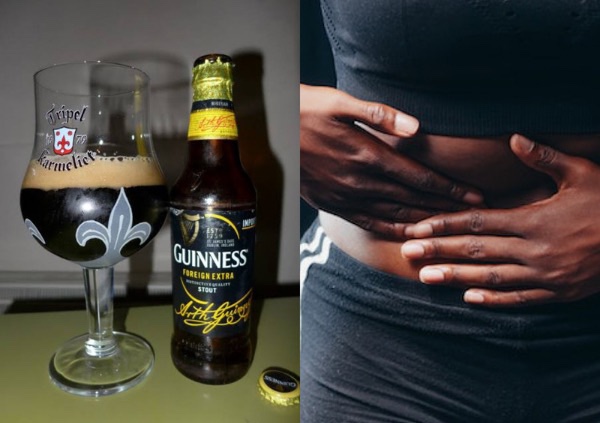
Does Breastfeeding Cause Weight Gain? What Every New Parent Should Know
Many new mothers are surprised by the changes their bodies go through after childbirth. One common question is, “Does breastfeeding cause weight gain?” Some women believe breastfeeding makes it harder to lose baby weight, while others have heard that it helps burn calories and promotes weight loss.
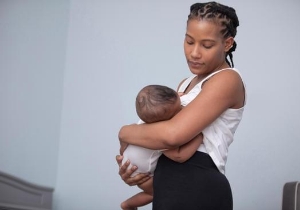
The truth is that breastfeeding does not directly cause weight gain. If anything, breastfeeding uses extra energy and burns calories. However, every woman’s body responds differently after childbirth, and several factors including diet, hormones, sleep, and physical activity can affect postpartum weight.
Why do some women gain weight while breastfeeding?
Several reasons may explain why some mothers gain weight or struggle to lose it while breastfeeding.
1. Increased appetite: Breastfeeding often makes mothers feel hungrier than usual because the body needs extra energy to produce milk. If this increased appetite leads to eating significantly more calories than the body needs, weight gain may occur.
2. Hormonal changes: After pregnancy, hormone levels change dramatically. These hormonal shifts can affect: appetite, fat storage, metabolism, water retention. Some women lose weight quickly, while others lose it more gradually.
3. Lack of sleep: Newborn babies wake frequently during the night, leaving many parents sleep-deprived. Poor sleep can affect hormones that regulate hunger and fullness, making it easier to overeat and harder to lose weight.
4. Reduced physical activity: Recovering from childbirth and caring for a newborn often leaves little time for exercise. Being less active than before pregnancy can make weight loss slower.
5. Emotional eating: Adjusting to life with a new baby can be physically and emotionally demanding. Some mothers may turn to comfort foods during periods of stress, anxiety, or exhaustion, which can contribute to weight gain.
For many women, breastfeeding can help them lose weight because breastfeeding burns calories, some mothers gradually lose pregnancy weight while nursing. However, weight loss varies from person to person. Factors that influence postpartum weight loss include: genetics, diet, physical activity, sleep quality, overall health, hormonal changes.
Speak with your healthcare provider if you experience:
– Rapid, unexplained weight gain
– Significant weight loss without trying
– Extreme fatigue
– Persistent swelling
– Difficulty producing enough breast milk
– Symptoms of thyroid problems, such as feeling unusually cold, hair loss, or changes in heart rate.
These symptoms could indicate an underlying medical condition that requires evaluation.
For partners and family members: Partners and family members play an important role in supporting breastfeeding mothers. You can help by:
– Preparing healthy meals and snacks.
– Encouraging rest whenever possible.
– Helping with household chores or baby care.
– Offering emotional support and reassurance.
– Avoiding comments that pressure new mothers about their weight.
Naijhealth Take
Breastfeeding does not directly cause weight gain. While some mothers may gain weight or lose weight more slowly during breastfeeding, this is usually related to factors such as increased appetite, hormonal changes, lack of sleep, and reduced physical activity not breastfeeding itself.
Every mother’s postpartum journey is unique. Instead of focusing on quick weight loss, aim to nourish your body with healthy foods, stay hydrated, be active when you’re able, and give yourself time to recover.
Remember, your body has accomplished something remarkable by growing and nourishing a baby. With patience, healthy habits, and support from loved ones, you can work toward your health goals while continuing to care for your little one.