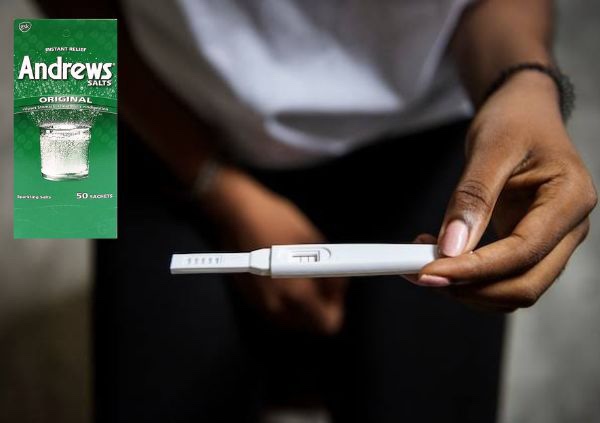
Can Salt and Water Flush Sperm? Separating Facts from Myths
One question: why would anyone think that salt and water can flush sperm from the body or prevent pregnancy. This is a common myth that has no scientific evidence to support it. After unprotected sex, many young adults search for quick ways to prevent pregnancy and the most common question asked is, “Can salt and water flush sperm?” The simple answer is no.

Relying on salt water instead of proven methods of emergency contraception may increase the risk of an unintended pregnancy. We will be explaining why this myth is false, how sperm actually travels in the body, and what you should do if you’ve had unprotected sex.
We already established that salt and water cannot flush sperm out of the uterus or fallopian tubes, kill sperm inside the female reproductive system, stop fertilisation or prevent pregnancy after unprotected sex.
Once ejaculation occurs inside the vagina, millions of sperm begin moving toward the cervix within minutes. Some sperm can reach the uterus and fallopian tubes very quickly, making it impossible for salt water to wash them away.
Why then do people believe this myth? The belief that salt and water can prevent pregnancy has been passed around through social media, online forums, and word of mouth. Some people assume that because salt has cleansing properties, it can also “clean out” sperm. Others believe that drinking salt water or washing the vagina immediately after sex will stop pregnancy.
However, none of these beliefs are supported by medical research. Washing the vagina with salt water after sex will not remove sperm that has already entered the cervix. In fact, inserting salt water into the vagina may as well:
– Disrupt the natural balance of healthy bacteria.
– Cause dryness and irritation.
– Increase the risk of vaginal infections.
– Damage the natural protective environment of the vagina.
Note: The vagina is self-cleaning and does not need to be washed internally with salt water or other solutions.
Under the right conditions, sperm can survive inside the female reproductive tract for up to five days. This is why pregnancy can occur even if intercourse happens several days before ovulation. Once sperm is inside the reproductive tract, there is no home remedy that can flush it out.
What should you do after unprotected sex?
If you have had unprotected sex and want to reduce the risk of pregnancy, use a medically approved emergency contraceptive as soon as possible.
Emergency contraception may include:
– Emergency contraceptive pills (often called the morning-after pill)
– A copper intrauterine device (IUD), inserted by a qualified healthcare professional within the recommended time frame
The sooner emergency contraception is used, the more effective it is likely to be. If you’re unsure which option is right for you, speak with a healthcare provider or pharmacist as soon as possible.
There are other effective ways you can prevent pregnancy. If you’re sexually active and do not wish to become pregnant, consider reliable contraceptive methods such as:
– Male or female condoms
– Birth control pills
– Contraceptive implants
– Injectable contraceptives
– Intrauterine devices (IUDs)
– Emergency contraception after unprotected sex
Naijhealth Take
The belief that salt and water can flush sperm or prevent pregnancy is a myth that is not supported by science. Once sperm enters the female reproductive tract, salt water cannot remove it or stop fertilization.
Instead of relying on unproven home remedies, choose evidence-based methods such as emergency contraception if you need to reduce the risk of pregnancy after unprotected sex.
Having accurate information empowers you to make safer, healthier decisions about your sexual and reproductive health.