
Can Salt and Water Tighten the Vagina? Exploring the Myth
Many women even partners have heard claims that washing the vagina with salt and water can make it tighter. This advice is often shared by friends, relatives, or on social media, leaving many women wondering whether it is true or just another health myth.
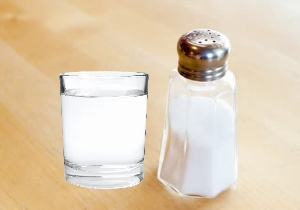
There is no scientific evidence that salt and water can tighten the vagina. In fact, using salt water inside the vagina may do more harm than good by disrupting its natural balance so no, salt and water cannot tighten the vagina.
The vagina is made up of elastic muscles and tissues that naturally stretch and return to their normal shape. These muscles are designed to expand during sexual intercourse and childbirth and then gradually contract afterward. Simply washing or inserting salt water into the vagina cannot change the strength or elasticity of these muscles.
Note: If someone feels a temporary sensation of tightness after using salt water, it is usually because salt can dry out the vaginal tissues not because the vagina has actually become tighter.
The belief that salt water tightens the vagina has been passed down through generations in some communities. It is also widely promoted on social media as a quick home remedy. Some reasons why this myth continues include:
* Temporary dryness may be mistaken for tightness.
* Traditional beliefs often recommend salt for cleansing.
* Online misinformation spreads quickly without scientific evidence.
* Many women are looking for inexpensive home remedies to improve their intimate health.
Although salt is commonly used to clean wounds externally, the vagina is very different. The vagina has its own healthy environment filled with beneficial bacteria, especially Lactobacillus, which help maintain a slightly acidic pH. This natural balance protects against infections. Using salt water internally may: disrupt the natural vaginal pH, kill beneficial bacteria, cause dryness and irritation, increase itching or burning and raise the risk of bacterial vaginosis and yeast infections.
For these reasons, healthcare professionals generally advise against inserting or washing the inside of the vagina with salt water.
The vulva (the outer part of the female genital area) is different from the vagina and although it is the outer area, using salt and water to wash it is not advisable at all. Regularly washing the vulva with concentrated salt water is unnecessary and may still cause dryness or irritation, especially for women with sensitive skin.
Medical professionals advice rinsing the outer area with clean water is usually enough to keep it clean. Some healthcare providers may recommend a mild salt sitz bath after certain medical procedures or childbirth, but this should only be done under medical advice.
What Actually Affects Vaginal Tightness?
1. Childbirth: Vaginal delivery can temporarily stretch the vaginal muscles. In most cases, these muscles gradually recover over time.
2. Aging: As women get older, natural changes in hormones especially during menopause can reduce tissue elasticity.
3. Pelvic Floor Muscle Strength: Weak pelvic floor muscles may affect vaginal support and bladder control. Strengthening these muscles can improve muscle tone.
4. Hormonal Changes: Pregnancy, breastfeeding, and menopause all affect vaginal tissues and lubrication.
Safe Ways to Improve Vaginal Muscle Tone
1. Practice Kegel Exercises
Kegel exercises strengthen the pelvic floor muscles that support the bladder, uterus, and vagina. Regular practice may help improve muscle tone, increase sexual satisfaction, and reduce urinary leakage.
2. Maintain a Healthy Lifestyle
Regular exercise, staying hydrated, eating a balanced diet, and maintaining a healthy weight all support pelvic health.
3. Consider Pelvic Floor Physiotherapy
Women experiencing pelvic floor weakness after childbirth or with age-related changes may benefit from working with a pelvic floor physiotherapist.
4. Speak With a Healthcare Provider
If vaginal looseness is affecting your comfort or quality of life, a gynecologist can recommend appropriate treatments based on your individual needs.
How to Keep Your Vagina Healthy
– Wash only the outer genital area with clean water and a gentle cleanser if needed.
– Avoid douching.
– Wear breathable cotton underwear.
– Practice safe sex.
– Stay hydrated.
– Attend regular gynecological check-ups.
– Seek medical advice if you notice unusual discharge, odor, itching, or pain.
Naijhealth Take
The idea that salt and water can tighten the vagina is a common myth with no scientific support. While it may seem like a simple home remedy, using salt water inside the vagina can upset its natural balance and increase the risk of irritation and infection.
The vagina is naturally designed to clean itself and maintain its own healthy environment. Instead of relying on myths, women should focus on evidence-based practices such as pelvic floor exercises, healthy lifestyle habits, and proper intimate hygiene.
When it comes to vaginal health, protecting your body’s natural balance is far more beneficial than trying unproven remedies.